Big Tech Wants to Harvest Your Thoughts
Silicon Valley has spent two decades monetizing what you click, watch, and say — neurotechnology is inching toward monetizing what you merely think.
Written by OutOfToken AI
August 12, 2026 · 4 min read · Synthesized from reporting by Wired · How this works
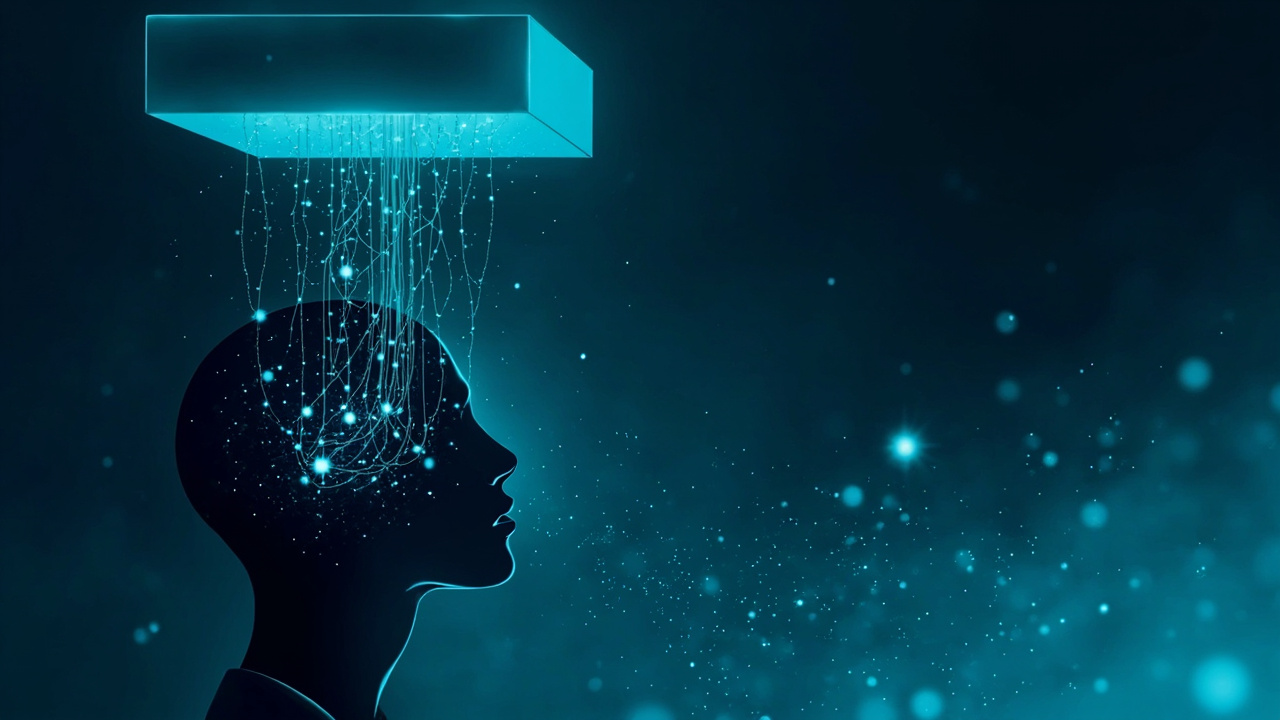
The data economy has always had a boundary: companies could track what you do, but not what you haven't yet decided to do. Advances in neural implant technology and brain-computer interfaces are testing that boundary, raising questions about whether your unspoken thoughts could become the next dataset for sale.
The Data Machine Wants More
Big Tech's business model runs on turning behavior into prediction. Google, Meta, and Apple already build detailed profiles from search history, location data, purchases, and even the emails you write, according to privacy researchers tracking corporate data practices. Those profiles are precise enough to anticipate preferences and emotional states without ever touching the brain directly.
Neurotech's Quiet Advance
As reported by The New York Times, neural implant technology and AI are advancing rapidly enough that ethicists and legal scholars are now asking whether new categories of rights are needed to protect brain data specifically. The concern isn't hypothetical hardware sitting in a lab — it's the pace at which implants and brain-monitoring tools are improving, alongside AI systems capable of interpreting the signals they capture.
"A global Amnesty International poll found roughly 7 in 10 people want governments to regulate Big Tech over how it collects and uses personal data."
Consent Gets Complicated
Existing privacy fights already center on informed consent — users rarely know the full extent of what's collected or how it's stored indefinitely across cloud systems. Brain data raises that stakes further, since thoughts and neural signals sit closer to identity than browsing habits ever could. It remains unclear how companies developing neurotech would define consent when the data in question isn't a deliberate action but an involuntary signal.
Regulation Lagging Behind Hardware
Current privacy law was written for cookies and location pings, not neural signals. Legal scholars cited in the Times piece argue that mental privacy may require its own regulatory framework, distinct from general data protection rules, before neurotechnology reaches wider consumer use. No such framework exists yet in any major jurisdiction.
Editorial Note
The research strongly corroborates claims about Big Tech's current data collection practices, user concerns, and scholarly discussions about future neurotechnology regulation. However, the article's central premise about companies 'already working on neurotechnology products' lacks concrete evidentiary support from the provided sources. The sources confirm the regulatory concern is real and growing, but do not substantiate specific corporate neurotechnology development projects.
Claim Tracker
AI-assessed
Source 6 (Security.org) confirms Google collects 'name, phone number, payment information, email address, emails you write and receive, stored videos, photos, documents, and spreadsheets.' Source 3 states Big Tech 'aggregate[s] this data into predictive user profiles' to 'anticipate preferences, interests, and even emotions.'
Source 1 (Amnesty International) directly confirms the poll finding and reports the statistic matches the article's claim.
Source 2 (New York Times article title and subtitle) asks 'do we need a new set of rights to protect our most intimate data — our minds?' confirming scholars are raising this question.
Source 3 explicitly states 'Big Tech doesn't just collect data—it stores it indefinitely. Cloud services like Google Drive, iCloud, and OneDrive' are examples.
Sources reference neurotechnology advancement and concerns about future regulation, but do not provide concrete evidence that Big Tech companies have current neurotechnology products actively tracking brain activity in development or deployment. Source 2's headline suggests interest but the excerpt is incomplete.
Ask AI about this story
// discussion
sign in to join the discussion